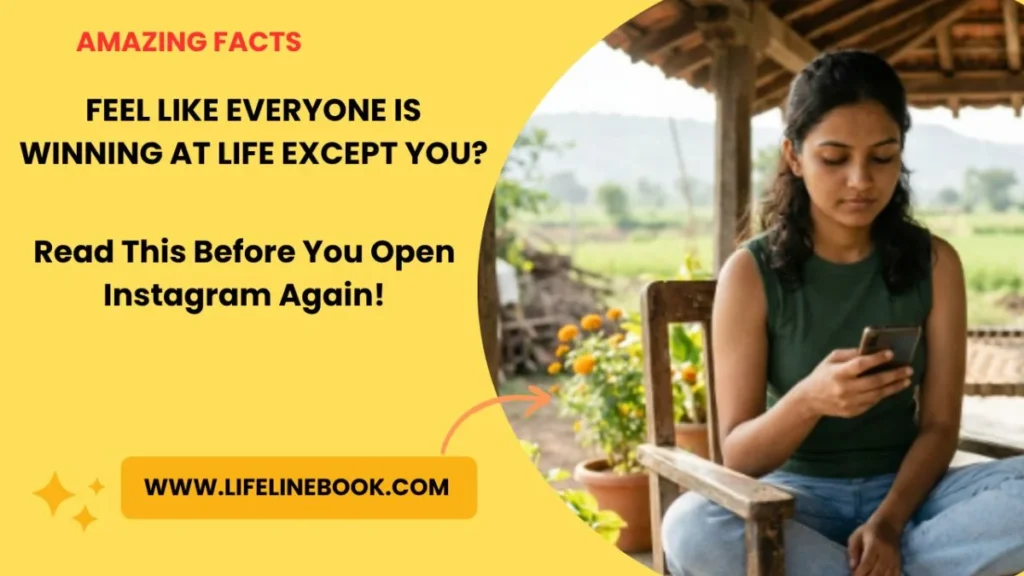
Ever wonder why your phone keeps you hooked and spending money? We dive deep into the self determination theory and FOMO, using CBT and evolutionary psychology to help you win your life back. Read this country-spiced guide now!
The Real Psychology of FOMO: Why Your Brain Feels Left Out and How to Reclaim Your Peace
Let’s sit down on the porch for a minute and talk straight about something that’s been bugging just about everyone who owns a smartphone. You know that twitchy, uneasy feeling you get in your gut when you’re scrolling through your feed at night? You see folks at a backyard barbecue, someone buying a shiny new pickup, or friends taking a trip down to the coast, and suddenly a cold wave of anxiety hits you.
That right there is FOMO—the Fear Of Missing Out. But it isn’t just some modern, internet-made buzzword. It is a deep-rooted psychological trap. If you want to break free, you need to understand the connection between self determination theory and fomo. Once you see how your basic human needs are being hijacked by algorithms, you can finally take your life back.
What is FOMO? (The Hidden Battle in Your Mind)
To truly understand what is happening to your attention span, we have to look past the apps. FOMO is the persistent anxiety that others are having rewarding experiences while you are absent. It creates a deep emotional ache that tells you your life is somehow lesser than those around you.
To stop this cycle, we have to understand the self determination theory and fomo link. Human beings have three basic psychological needs: Autonomy (feeling in control), Competence (feeling capable), and Relatedness (feeling connected to a community). When these three needs aren’t being met in your real, daily life, your brain frantically turns to your phone to fill the void. That is where the trouble begins.
The Root Cause: Self Determination Theory and FOMO
The connection between self determination theory and fomo lies in unmet psychological needs. When a person lacks real-world autonomy, competence, or relatedness, they use social media as a quick fix, which actually triggers intense FOMO and drives chronic anxiety.
To understand why we get hooked, we have to look at the psychological framework known as Self-Determination Theory (SDT). Developed by psychologists Edward L. Deci and Richard M. Ryan, this theory states that human beings are naturally motivated to grow and change when their three core psychological needs are met.
The Three Pillars of Self-Determination
- Autonomy: The desire to be the author of your own life and actions.
- Competence: The need to feel effective, skilled, and successful in your daily tasks.
- Relatedness: The deep necessity to feel connected to, cared for, and valued by a community.
When you analyze self determination theory and fomo, you see that social media acts like psychological junk food. If you feel lonely or disconnected at your job or in your town (low relatedness), you open an app. Instead of finding genuine connection, you see a curated highlight reel of everyone else’s best moments.
Instead of satisfying your need for relatedness, the app makes you feel even more isolated. This creates a vicious cycle: the lower your baseline psychological satisfaction, the more you search for connection online, and the more intense your FOMO becomes.
🌿 Where Is Luxury Without Nature?
True luxury isn’t found in crowded cities or expensive lifestyles — it’s hidden in nature, peace, and simplicity. Discover a refreshing perspective on life, happiness, and the beauty of the natural world.
The Evolutionary Psychology of Missing Out
From an evolutionary perspective, FOMO is an ancient survival mechanism. In tribal times, being left out of the loop meant isolation from resources, protection, and community support, which modern brains interpret as a literal life-or-death crisis.
Long before smartphones and high-speed internet arrived in our small towns, our ancestors lived in tight-knit tribal communities. Understanding the evolutionary psychology of missing out helps us realize that our brains are simply wired for an older world.
| Feature | Ancient Tribal Environment | Modern Digital Environment |
| Community Size | 50 to 150 local people. | Billions of users worldwide. |
| Information Source | Face-to-face talk, local smoke signals. | 24/7 hyper-targeted algorithmic feeds. |
| Risk of Exclusion | Physical starvation, lack of protection. | Psychological isolation, social anxiety. |
| Brain Response | High-alert survival mode. | Chronic stress, impulse buying, low attention span. |
Back in the day, if the tribe gathered around the fire to discuss a new hunting ground or a moving resource and you weren’t there, your actual survival was threatened. Being “left out of the loop” meant you could starve or get left behind. Today, when you see a party on Instagram that you weren’t invited to, your ancient brain processes that digital exclusion as a literal life-or-death survival crisis. Your heart races, your stomach drops, and you feel an urgent need to reconnect immediately.
FOMO vs Social Anxiety Differences: Know Your Enemy
The main difference between FOMO and social anxiety is that FOMO is driven by the fear of missing out on positive social rewards, whereas social anxiety is driven by the fear of negative judgment, scrutiny, or embarrassment by others.
It is very easy to mix up these two mental struggles, but treating them requires knowing exactly what you are dealing with. Let’s look at the core fomo vs social anxiety differences so you can figure out what is driving your unease.
Core Distinctions
The Driving Core: FOMO is a fear of absence—you are terrified that a great experience is happening out there without you. Social anxiety is a fear of presence—you are terrified of being judged, laughed at, or acting awkwardly when you are actually in front of people.
The Digital Manifestation: A person with FOMO will constantly check their phone to stay included. A person with high social anxiety might avoid social media altogether to prevent seeing comments or judgments directed at them.
The Behavioral Outcome: FOMO makes you want to say “yes” to every single invitation even when you are exhausted. Social anxiety makes you want to stay home under the covers to avoid the pressure of human interaction.

How Modern Marketing and Social Media Impact Your Brain
Social media impact fuels FOMO by trapping users in an endless loop of social comparison, while smart advertisers use artificial scarcity and time limits to bypass logical thinking and force immediate actions.
The digital landscape is intentionally designed to keep your brain in a state of perpetual hunger. The social media impact on our mental health is massive because platforms are built on variable reward schedules—the same psychological trick used by slot machines in casinos. Every time you refresh your feed, you don’t know if you will see something amazing or nothing at all, which keeps you hooked.
The Marketing Trap: How FOMO Drives Impulse Buying
Have you ever bought a product online because a big red timer was ticking down at the top of the page? Or maybe because it said “Only 2 items left in stock!”?
This is a direct example of how fomo drives impulse buying. Marketers know that if they create artificial scarcity, your logical brain shuts down. Your evolutionary fear of missing out on a resource takes over, making you enter your credit card information before you even stop to ask if you actually need the item.
Practical Guide: How to Resist Marketing FOMO and Protect Your Attention
To resist marketing FOMO and fix your attention span, you must implement friction into your buying habits, disable non-human notifications, and intentionally practice the Joy of Missing Out (JOMO).
The constant barrage of notifications has a devastating fomo effect on attention span. We have become incapable of sitting quietly with our own thoughts for even two minutes without reaching into our pockets for a quick hit of digital dopamine. If you want to protect your wallet and your peace of mind, you need a clear, practical strategy.
Step-by-Step Blueprint to Break the Cycle
1. Implement a 24-Hour Cooling-Off Rule
Whenever you see a flash sale, a limited-time online offer, or an item touted by an influencer, force yourself to wait 24 hours before hitting the “Buy” button. This simple step breaks the emotional impulse and allows your logical mind to regain control.
2. Kill the Visual Triggers
Go into your smartphone settings right now and turn off all non-human notifications. If it isn’t a direct text message or a phone call from a real person in your life, it has no right to buzz in your pocket. Do not let corporate apps dictate when you look at your screen.
3. Cultivate JOMO (The Joy of Missing Out)
Intentionally choose to miss out on things. Appreciate the quiet beauty of a slow evening at home with a book, a walk down a quiet country road, or a home-cooked meal with your immediate family. Realize that saying “no” to the digital noise means saying “yes” to your real life.
Healing the Mind: Cognitive Behavioral Therapy for FOMO
Cognitive behavioral therapy for FOMO focuses on identifying distorted thoughts like ‘everyone has a better life than me’ and replacing them with grounded, grateful realities through intentional mindfulness.
If you find yourself deeply trapped in these negative loops, practicing cognitive behavioral therapy for fomo can be an absolute lifesaver. CBT is a practical form of psychological training that focuses on changing negative thought patterns.
Practical CBT Exercises You Can Do at Home
Thought Challenging: When you see a post and think, “Everyone else is living a perfect life while I’m stuck here,” stop and write down the objective truth. The truth is: “I am looking at a highly edited, single second of their day. They face hardships, bills, and bad days just like anyone else.”
Gratitude Anchoring: Every morning before you look at a single screen, write down three specific physical things in your immediate surroundings that you are thankful for. It could be the warm cup of coffee in your hand, the roof over your head, or the sound of the birds outside. This anchors your mind in your actual reality rather than a digital illusion.
Digital Detox Sprints: Block out clear times during your week—such as after 6 PM on Sundays—where your phone is placed completely out of sight in another room. Use this time to engage in tactile, real-world hobbies like woodworking, gardening, cooking, or playing an instrument.
Action Plan: Reclaiming Your Self-Determination
To completely heal from the constant drain of digital anxiety, we must return to where we started: fulfilling our basic psychological needs organically.
How to Build Real Self-Determination
Boost Your Autonomy: Make conscious choices about how you spend your free time instead of passively letting an app algorithm stream content into your eyes for hours.
Build Real Competence: Pick up a physical skill that requires patience and practice. Learn how to fix a small engine, bake sourdough bread, or cultivate a backyard garden. The tangible feeling of improvement beats any digital validation.
Deepen Your Relatedness: Invest your energy in local, face-to-face relationships. Invite a neighbor over for coffee, join a local volunteer group, or visit family members without keeping your phone on the table.
Conclusion
At the end of the day, the internet is a beautiful tool for staying informed, but it makes for a terrible home. The connection between self determination theory and fomo reminds us that our deepest human cravings—to be free, to be capable, and to belong—can never be truly satisfied by clicking a little heart icon on a glass screen.
The next time you feel that familiar flash of digital anxiety, take a deep breath, flip your phone face down on the table, look around your room, and step back out into the real world. Your life is happening right here, right now, in the physical world around you. Don’t miss out on it by watching everyone else.
Frequently Asked Questions (FAQs)
Q1: Is FOMO considered a real mental health illness?
No, FOMO is not classified as a distinct mental illness in medical manuals, but it is a recognized psychological phenomenon that significantly amplifies general anxiety, depression, and stress.
Q2: How does social media usage specifically ruin my attention span?
Social media platforms deliver quick hits of dopamine through short, fast-paced content. This trains your brain to expect constant novelty, making it incredibly difficult to focus on slow, long-form real-world tasks.
Q3: Can older adults experience FOMO, or is it just a teenager issue?
People of all ages experience FOMO. While teenagers struggle with social inclusion, older adults often experience it regarding lifestyle choices, retirement activities, travel, or financial milestones.
Q4: What is the fastest way to stop an impulse buy driven by FOMO?
The fastest way is to delete your saved credit card information from your browser and app stores. Forcing yourself to physically find your wallet and type in the numbers creates a moment of friction that allows your logical mind to step in.

Blogger Nitin
Hello, my name is Nitin, and I am a Blogger and Content Writer. I have 6+ years of experience in the IT field. I started working in the blogging field in 2023. I write content on trending topics and facts, and I also work as a freelancer.
Disclaimer: The information provided on lifelinebook.com is for educational, informational, and entertainment purposes only and should not be taken as professional medical or psychological advice. If you or someone you know is struggling with chronic anxiety, depression, or severe mental health distress, please consult a licensed therapist or a qualified healthcare professional.