Food Labels: Why Understanding Nutrition Facts Is the Ultimate Game Changer for Your Health
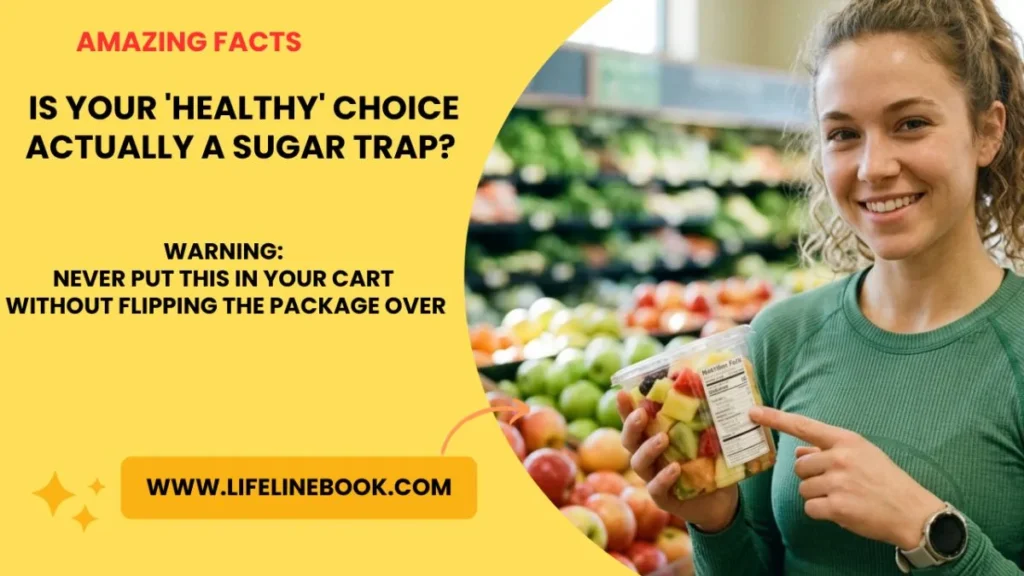
Now, listen here. When you’re walkin’ down those grocery store aisles, it’s real easy to get swept up by the bright colors and the big, bold claims on the front of the box. Phrases like “All Natural” or “Heart Healthy” are plastered everywhere, but if you really want to know what’s goin’ into your body, you gotta flip that package over. Food labels are the only real map we have to navigate the complex world of modern nutrition. Most folks just glance at the calories and keep movin’, but there’s a whole lot more to the story. Understanding how these labels work is a total game changer for your long-term wellness.
The truth is, most of us were never really taught how to read these things. We just assume that if it’s on a shelf in a reputable store, it must be fine. But out here in the real world, we know that if you want a job done right, you gotta look under the hood yourself. That’s exactly what checkin’ food labels is—it’s lookin’ under the hood of your breakfast, lunch, and dinner.
The Real Impact of Food Labels on Daily Decisions
In rural communities where the pace of life might be a bit slower but the hard work never stops, stayin’ healthy is a top priority. We need fuel that lasts from sunup to sundown. Food labels serve as a silent coach, helpin’ us decide what’s worth our hard-earned money and what’s just expensive junk. When you start lookin’ at the density of nutritional facts, you begin to see that not all calories are created equal. Some give you a quick spike and a crash, while others provide the sustained energy you need to get through a long day in the field or at the shop.
The FDA regulations have come a long way in makin’ sure these labels aren’t just a bunch of gibberish. They’ve mandated that the most important stuff—like added sugars and serving sizes—stands out in bold. This kind of ingredient transparency is vital because it pulls back the curtain on processed food awareness. If you aren’t checkin’ those labels, you’re essentially flyin’ blind. You might think you’re eating a light snack, but those food labels might reveal enough sodium to preserve a whole side of beef.
Decoding the Fine Print for Better Diet Management
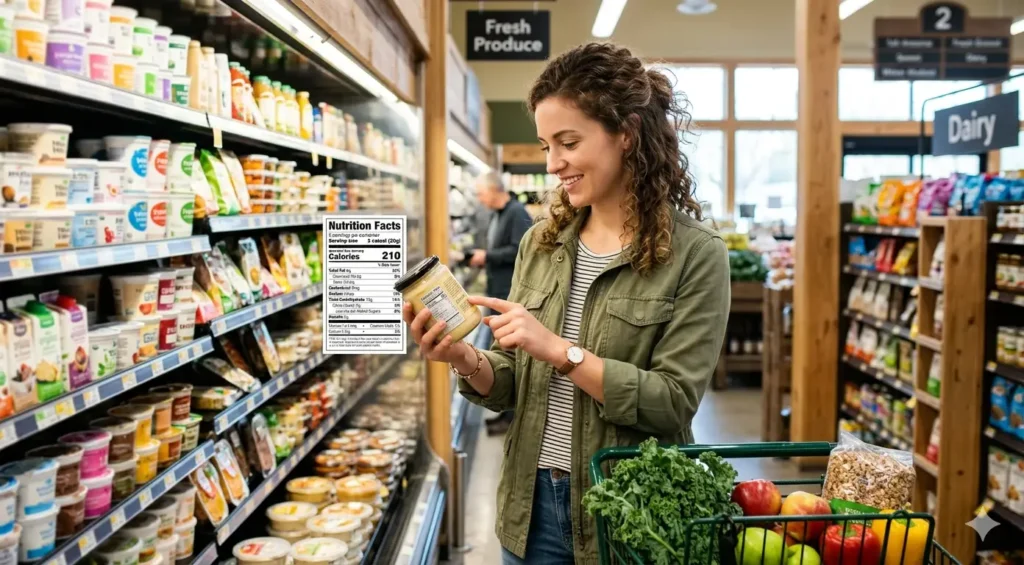
One of the biggest hurdles in diet management is the confusion around serving sizes. This is where a lot of folks get tripped up. A bag of chips might look like a single snack, but the food labels might tell you there’s actually three or four servings in that one little bag. If you eat the whole thing, you’re tripling or quadrupling the sodium and fat you thought you were gettin’. This is where health-conscious eating starts—with a clear-eyed look at the math.
Lookin’ at the nutritional facts, you want to keep a sharp eye on the Daily Value (DV) percentages. If a nutrient shows 5% or less, that’s considered low. If it’s 20% or more, that’s high. That’s great for things like fiber, calcium, and vitamins, but it’s a massive red flag for saturated fats and added sugars. By makin’ healthy food choices based on these percentages, you can steer clear of chronic issues like high blood pressure or heart trouble.
We have to talk about sugar, too. For years, companies hid sugar under fifty different names. But thanks to newer FDA regulations, they now have to list “Added Sugars” specifically. This is a blessing for anyone tryin’ to keep their energy steady. When you see a high number there, you know that food is gonna lead to a sugar crash later on. True diet management requires knowin’ exactly where those hidden sugars are lurkin’.
Ingredient Transparency and Your Long-term Wellness
The ingredient list is usually where the real truth hides, away from the flashy marketing on the front. Food labels list ingredients by weight, from the most used to the least. If the first three things listed are sugar, high fructose corn syrup, and some chemical you can’t even pronounce, that “healthy” granola bar is basically just a candy bar in a green wrapper. True ingredient transparency means knowin’ that “wheat flour” ain’t the same as “whole grain.”
For folks focusin’ on health-conscious eating, keepin’ it simple is usually best. My grandma always used to say, “If you can’t pronounce it, you probably shouldn’t be eatin’ it.” While that might be a bit extreme with all the science we have now, the sentiment holds water. The shorter the list on those food labels, the closer the food is to the earth. When we prioritize healthy food choices, we aren’t just lookin’ out for our waistlines; we’re protectin’ our hearts and our brain power. Food labels give us the power to reject the junk and embrace the fuel.
Think about “processed food awareness” for a second. We live in an age where food is engineered to be addictive. They hit that “bliss point” with the perfect mix of salt, sugar, and fat. The only way to break that spell is to look at the nutritional facts and see the engineering for what it is. It’s not just food; it’s a formula. And you deserve to know what that formula is doin’ to your insides.
🌿 Where is Luxury Without Nature?
Discover why true wealth isn’t found in crowded cities but in peaceful village life. Explore 5 powerful reasons why nature-rich living offers more luxury, balance, and happiness.
Read Full Article →Avoiding the Trap of “Health Halo” Marketing
Marketing teams are real good at makin’ junk look like medicine. They use words like “Organic,” “Natural,” or “Gluten-Free” to create a “health halo” that makes you think you can eat as much as you want without a care in the world. But let’s be real—an organic cookie is still a cookie. Food labels are the antidote to this marketing. They provide the cold, hard data that cuts through the noise.
By raisin’ our processed food awareness, we stop being victims of fancy advertising. We start lookin’ for the nutritional facts that actually matter, like protein content to keep us full and fiber to keep things movin’. This shift in perspective is what leads to real, lastin’ diet management success. You don’t need a fancy nutritionist from the city when you’ve got the skills to read a label properly and the common sense to follow what it says.
I’ve seen folks buy “low-fat” yogurt thinkin’ they were doin’ a good thing, only to check the food labels and realize the company added a ton of sugar to make up for the lost flavor from the fat. That’s a trap! Fats aren’t always the enemy, but hidden sugars almost always are. This is why ingredient transparency is your best friend at the store. It tells you what they took out and, more importantly, what they put in to replace it.
The Role of FDA Regulations in Consumer Protection
We often take for granted that the information on our packages is accurate. We assume someone is checkin’ the math. Well, FDA regulations are what ensure that companies can’t just make up numbers to sell more boxes. This level of oversight is crucial, especially for folks in rural areas who might not have a big hospital right down the road. If you’re dealin’ with allergies or specific medical conditions like celiac or diabetes, a mistake in the kitchen could be a disaster. Food labels are a shield, protectin’ us from hidden allergens and excessive chemicals.
As we look toward a future where we’re all tryin’ to live a bit better, ingredient transparency will continue to be the cornerstone of the grocery industry. The more we—the consumers—demand clear info, the better the food on our shelves will get. It starts with us. Every time you put a package back because the nutritional facts didn’t measure up, you’re votin’ for a healthier world.
Practical Tips for the Busy Shopper
I know what you’re thinkin’—”I don’t have an hour to spend readin’ every box in the store!” And you’re right. None of us do. But you don’t have to read everything. Start with the “Big Three”: Serving Size, Added Sugars, and the Ingredient List. Once you get the hang of it, checkin’ food labels takes about five seconds per item.
Check the Serving Size first: If the whole bag is the serving, great. If not, do the math.
Look at the Added Sugars: Try to keep this as low as possible throughout the day.
Scan the Ingredients: Look for whole foods and avoid long lists of chemicals.
By followin’ these simple steps, your diet management will become second nature. You’ll start to notice that you feel better, your energy is more stable, and you aren’t gettin’ those mid-afternoon slumps that make you want to nap in the middle of a job. Health-conscious eating isn’t about deprivation; it’s about information.
Final Thoughts on Making the Right Choices
At the end of the day, your health is your greatest wealth. You wouldn’t put cheap, dirty oil in your tractor and expect it to run for twenty years, so don’t do that to your body. Food labels are the owner’s manual for your engine. They tell you exactly what you’re puttin’ in the tank and how it’s gonna affect your performance.
Make it a habit. Don’t let the big corporations decide what’s healthy for you. Every time you pick up something new, flip it over. Look for the food labels. Check the nutritional facts. Ensure those healthy food choices are backed by real data, not just pretty pictures of farms and sunshine. When you take control of what you eat, you take control of your future. And out here, that kind of independence is what it’s all about.
Stay informed, stay healthy, and keep workin’ hard. The truth is right there on the back of the box—you just gotta be willing to read it.
Disclaimer:
The information provided in this article regarding Food labels and nutritional facts is for educational and informational purposes only. While we strive to provide accurate and up-to-date content to help you make healthy food choices, this information is not intended to be a substitute for professional medical advice, diagnosis, or treatment.
Always seek the advice of your physician, nutritionist, or other qualified health provider with any questions you may have regarding a medical condition or diet management. Never disregard professional medical advice or delay in seeking it because of something you have read on this website.
The reliance on any information provided in this post is solely at your own risk. lifelinebook.com does not guarantee the accuracy or completeness of the information and will not be held liable for any health issues arising from the use of this content.

Blogger Nitin
Hello, my name is Nitin, and I am a Blogger and Content Writer. I have 6+ years of experience in the IT field. I started working in the blogging field in 2023. I write content on trending topics and facts, and I also work as a freelancer.